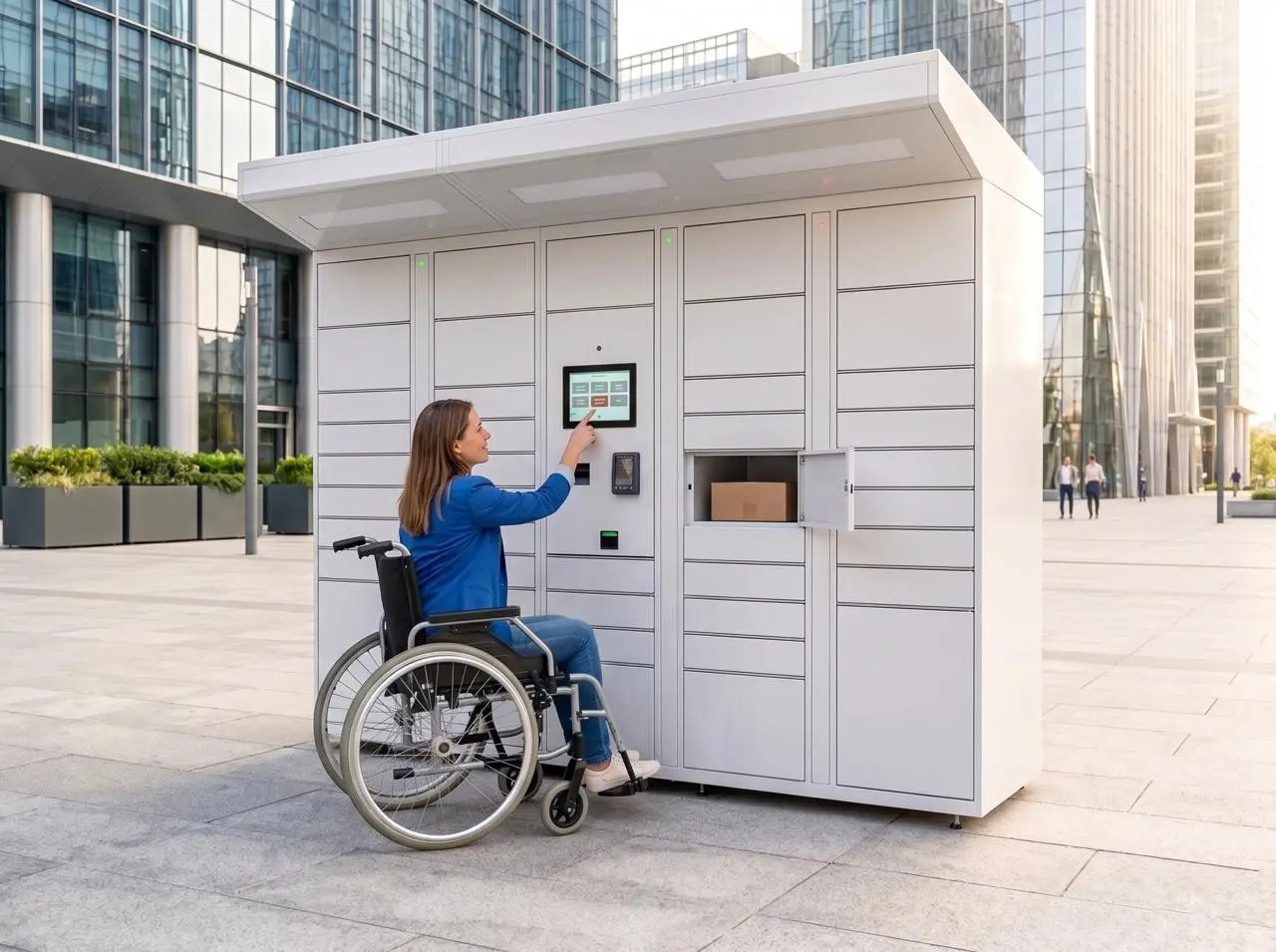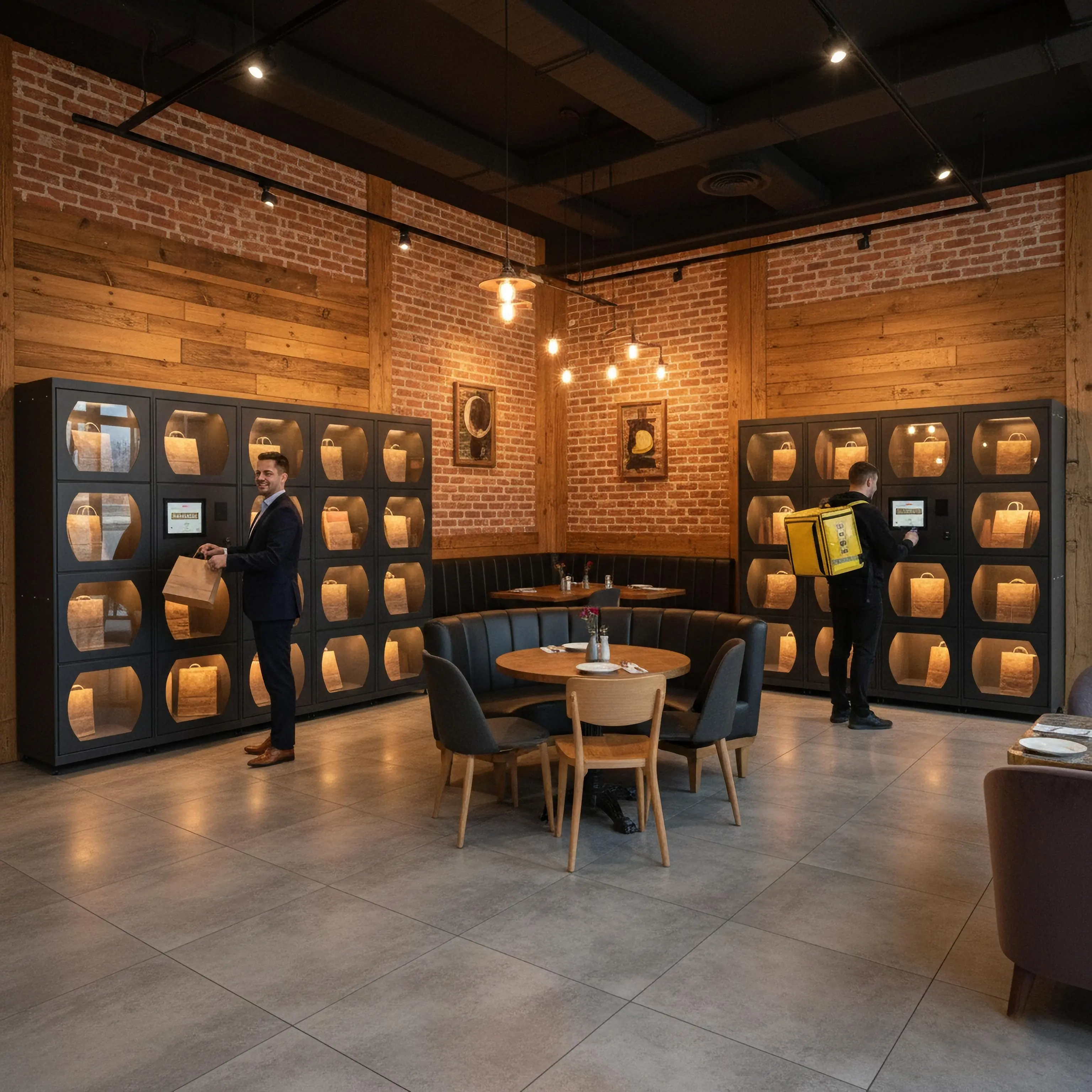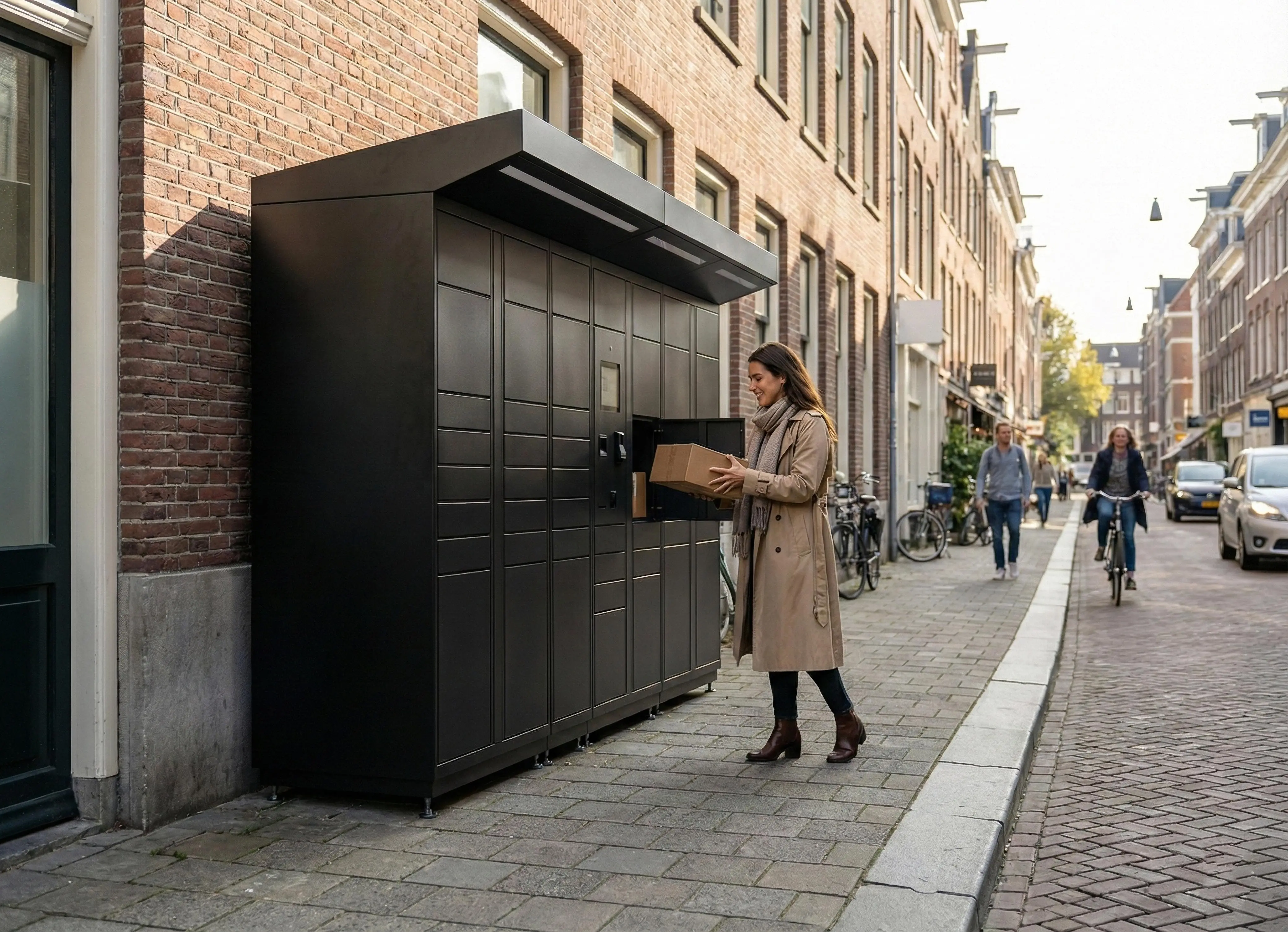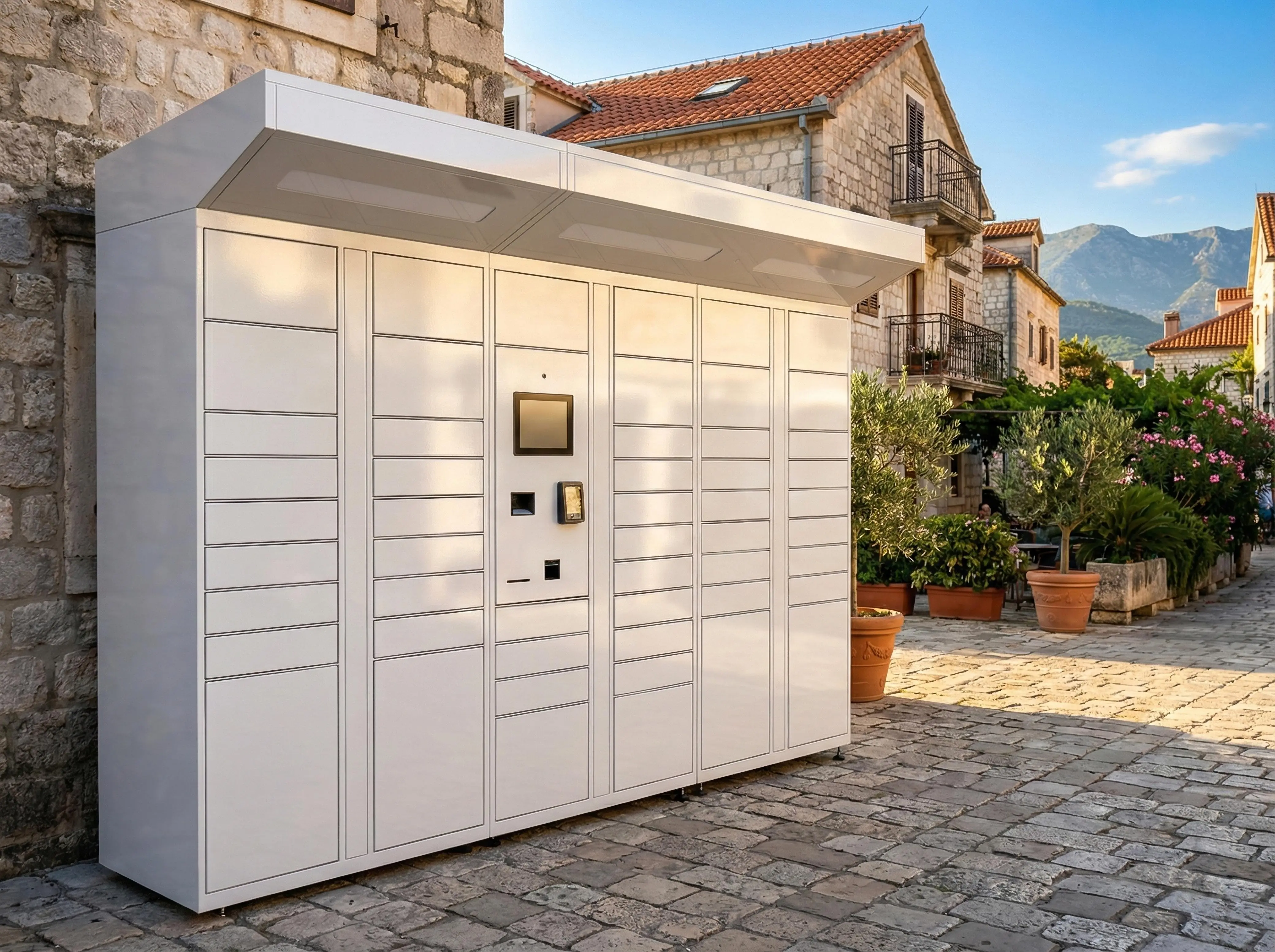
Western Balkans parcel lockers represent Europe's last major greenfield opportunity for regional delivery network deployment. Six EU candidate countries - Serbia, Albania, North Macedonia, Bosnia & Herzegovina, Montenegro, and Kosovo - combine 15+ million population with €2+ billion e-commerce markets growing 20-25% annually, yet operate fewer than 100 automated locker units regionally. This creates a strategic 24-36 month window for Balkans parcel locker network operators to establish market-defining positions before international players and national posts saturate prime retail locations, transit hubs, and customs facilities across the region.
The regional parcel locker strategy thesis outperforms single-country approaches through compelling economics: multi-country deployments across Serbia, Albania, and North Macedonia achieve 20-30% lower per-unit costs via shared Western Balkans logistics infrastructure platforms, unified operations teams, and cross-border revenue capture from the 70%+ of e-commerce originating on international platforms. With synchronized EU accession timelines (2027-2030) triggering logistics harmonization requirements and unlocking €9+ billion IPA III pre-accession funding, parcel locker deployment in Western Balkans investments align with macro regulatory catalysts while capturing first-mover advantages in markets where early network operators will control 60-70% of eventual 2,500-3,000 locker regional infrastructure. Albania's proven deployment model with retail chain partnerships at Big Market and EuroMax demonstrates rapid consumer acceptance, providing validated frameworks for site selection and operational procedures applicable across comparable Western Balkans markets.
Quick Facts: Western Balkans Parcel Locker Networks 2026
Regional Network Coverage Deficit Creates Greenfield Opportunity
Western Balkans parcel lockers deployment totals fewer than 100 automated lockers across six countries (15M+ population), while Bulgaria operates 538 parcel lockers (6.9M population) and Romania 400+ lockers (19M) according to Statista's 2024 CEE data. This 5-6x infrastructure deficit positions balkans smart locker market as Europe's last major greenfield opportunity, requiring 2,500-3,000 parcel lockers for 70-80% regional coverage (€35-50M capital deployment through 2030).
Multi-Country Deployment Economics Outperform Single-Market Strategies
Balkans parcel locker networks across Serbia, Albania, and North Macedonia (1,200-1,500 lockers combined) achieve 20-30% lower per-unit costs through shared western balkans logistics infrastructure platforms and bulk hardware procurement. Regional operators deploying 300+ locker installations reach 15-18 month breakeven versus 20-24 months for single-market strategies, while cross-border e-commerce revenue (70%+ of transactions) creates margin streams unavailable to country-specific operators.
Three-Tier Market Prioritization for Regional Deployment
Western balkans parcel lockers market segments into Tier 1 (Serbia: 6.9M, €850M e-commerce, 500-800 lockers), Tier 2 (Albania: 2.8M, €320M, 200-350 lockers; North Macedonia: 2.1M, €280M, 150-250 lockers), and Tier 3 (Bosnia, Montenegro, Kosovo: 5.7M combined, 400-650 lockers). Regional parcel locker strategy phasing with Serbia + Albania simultaneous deployment captures 60% of near-term opportunity (€11-18M CAPEX, 700-1,150 locker installations).
Cross-Border E-Commerce Drives Regional Network Advantages
Over 70% of western balkans parcel lockers demand originates from German, Italian, and Chinese platforms requiring customs clearance. Balkans parcel locker networks at Belgrade Airport, Tirana Port, Skopje hubs, and major border crossings capture international volumes at clearance points, consolidating €15-25M annual cross-border handling opportunity through parcel locker deployment western balkans infrastructure unavailable to single-country operators.
EU Accession Timeline Amplifies Multi-Country Benefits
All six western balkans logistics infrastructure markets target 2027-2030 EU accession, creating synchronized regulatory harmonization favoring regional parcel locker strategy operators. Pan-European carriers (GLS operates via A2B Express across five Western Balkans countries; DPD evaluating expansion) require hardware-agnostic platforms supporting multi-country interoperability. IPA III funding (€9B available 2024-2027) prioritizes parcel locker deployment western balkans projects qualifying as cross-border trade facilitation infrastructure.
Regional Failed Delivery Cost: €70-90M Annual Savings Opportunity
Failed deliveries (18-25% average) cost western balkans parcel lockers markets €70-90M annually. Balkans parcel locker networks eliminating re-delivery attempts generate €35-50M regional savings through delivery cost reduction (€3.50-€4.50 to €1.50-€2.20 per parcel), with 1,000+ locker regional networks achieving 2-3 year payback periods unavailable at sub-regional scale.
Mobile Readiness Enables Unified Regional Access
Smartphone penetration exceeding 75% across western balkans logistics infrastructure urban areas (10M+ users in Serbia, Albania, Macedonia metros) enables mobile-first parcel locker deployment western balkans adoption. Regional QR/NFC standards supporting multi-country access create seamless experience - unified mobile apps across borders generate network effects unavailable to country-specific fragmented systems.
Western Balkans Parcel Locker Market Overview
Western balkans parcel lockers market evolution mirrors broader Central European logistics transformation, yet operates on compressed timelines with synchronized catalysts creating unique multi-country deployment advantages. Understanding regional dynamics - explosive e-commerce growth patterns, cross-border transaction dominance, and EU accession-driven harmonization requirements - provides strategic context for balkans parcel locker networks investment decisions that will define competitive positioning through 2030.
Regional E-Commerce Growth Driving Network Demand
By 2030, demand for last-mile e-commerce delivery in Europe is projected to grow by 78% compared to 2020 volumes, with western balkans parcel lockers markets experiencing accelerated adoption from lower baseline penetration rates. Combined regional e-commerce across Serbia (€850M), Albania (€320M), North Macedonia (€280M), and three Tier 3 markets exceeds €2 billion annually, growing 20-25% compound rates through 2027 according to Future Market Insights' last-mile delivery analysis.
Cross-border transactions distinguish western balkans logistics infrastructure from mature European markets: over 70% of regional parcel volumes originate from German retailers (Amazon.de, Zalando), Italian platforms (eBay.it), and Chinese marketplaces (AliExpress, Temu, Shein) rather than domestic e-commerce sites. This creates structural demand for balkans parcel locker networks positioned at customs clearance facilities - Belgrade Airport, Tirana Port, Skopje transit hubs - where international parcels concentrate before final distribution. Traditional door-to-door courier models cannot economically serve extended customs processing timelines (24-72 hours typical) combined with recipient unavailability, positioning regional parcel locker strategy operators to capture volumes at natural consolidation points unavailable to single-country networks.
Multi-Country Networks Outperform Single-Market Economics
Balkans parcel locker networks deployed regionally achieve 20-30% operational cost advantages versus country-specific strategies through three mechanisms. First, shared western balkans logistics infrastructure platforms managing 1,000+ lockers across Serbia, Albania, and North Macedonia amortize software development, cloud hosting, and system maintenance across larger asset bases - reducing per-locker technology overhead 40-50% through economies of scale unavailable to single-country operators.
Second, unified customer support operations serving multi-country user bases eliminate duplicated overhead. Regional operators deploy centralized support teams (Serbian, Albanian, Macedonian language capabilities) handling inquiries across borders versus country-specific operators maintaining separate teams per market. Third, consolidated logistics for hardware delivery, maintenance parts, and technician dispatch reduce transportation costs through multi-country route optimization.
Cross-border revenue opportunities amplify parcel locker deployment western balkans advantages: consumers traveling between Serbia, Albania, and North Macedonia for business or tourism access unified locker networks through single mobile applications with persistent accounts - receiving parcels in Tirana while residing in Belgrade, or vice versa. This creates network effects and switching costs (re-registration friction across fragmented country-specific systems) unavailable to single-market operators, while cross-border parcel handling fees for international e-commerce generate margin streams from customs facility locker installations serving multiple origin countries.
EU Accession Timeline as Synchronized Regional Catalyst
All six western balkans logistics infrastructure markets hold EU candidate status with 2027-2030 accession projections, creating simultaneous regulatory harmonization requirements that favor regional parcel locker strategy operators over fragmented country-specific deployments. Pan-European carriers - GLS operates through A2B Express partnerships serving Serbia, Bosnia and Herzegovina, Macedonia, Montenegro and Kosovo, while DPD evaluates regional expansion - require hardware-agnostic platforms supporting multi-country interoperability for seamless integration with existing EU networks spanning 40+ countries.
Geographic proximity to Central and Eastern European manufacturing clusters enables rapid deployment iteration: suppliers positioned within 500km of target markets provide 48-72 hour delivery cycles versus 4-6 week Asian lead times, critical for addressing site-specific hardware adaptations (coastal corrosion resistance, extreme temperature performance, compact retail configurations) that determine Western Balkans network operational success.
Country-by-Country Parcel Locker Market Analysis
Western balkans parcel lockers opportunity distribution across six markets requires strategic prioritization for capital allocation and deployment sequencing. Three-tier segmentation based on population scale, e-commerce maturity, and deployment economics enables regional parcel locker strategy operators to capture 80% of near-term revenue through focused Tier 1-2 investments before Tier 3 expansion.
Three-Tier Regional Market Framework
Tier 1: Serbia represents the largest western balkans parcel lockers opportunity - 6.9M population, €850M e-commerce, requiring 500-800 lockers for national coverage. Urban concentration (Belgrade 1.7M, Novi Sad 340K, Niš 260K = 35% of population) enables high-utilization balkans parcel locker networks achieving 20-24 month ROI. Established courier infrastructure (AKS, Bex Express, City Express, Post of Serbia processing 30-40M annual parcels) provides immediate partnership opportunities. Strategic deployment priorities: retail chains (Mercator, IDEA, Maxi), transit hubs, Belgrade Airport customs facilities. Serbia deployment strategies.
Tier 2A: Albania demonstrates proven consumer acceptance - 34% annual growth, €320M market (2.8M population), requiring 200-350 lockers. Urban density (Tirana 800K+, Durrës 200K, Vlorë 130K) supports 60-75% utilization within 12-18 months, with 18-22 month ROI timelines. Retail partnerships (Big Market, EuroMax) validate site selection and operational frameworks applicable across western balkans logistics infrastructure markets. Albania's 22-25% failed delivery rates - highest regionally - demonstrate acute demand. Albania implementation guide →
Tier 2B: North Macedonia offers fast-track coverage - 2.1M population, €280M e-commerce, requiring just 150-250 lockers (€2.5-4M CAPEX). Skopje concentration (520K, 25% of population) enables dense deployment with 80-100 locker installations, while secondary cities require 30-50 additional lockers for 75-80% coverage. Fastest regional breakeven (15-18 months) positions North Macedonia as ideal proof-of-concept before larger commitments. North Macedonia rapid deployment.
Tier 3: Bosnia & Herzegovina, Montenegro, Kosovo (combined 5.7M, €400-500M e-commerce, 400-650 lockers) require 18-36 month delayed entry due to fragmented courier operations and regulatory complexity. Parcel locker deployment western balkans operators establishing Tier 1-2 dominance (1,200+ lockers) leverage operational scale for cost-efficient Tier 3 expansion post-2027.
Regional Market Comparison: Western Balkans Parcel Locker Opportunity
Country | Population | E-Commerce | Lockers Required | CAPEXROI | Timeline |
|---|---|---|---|---|---|
Serbia | 6.9M | €850M | 500-800 | €8-13M | 20-24 mo |
Albania | 2.8M | €320M | 200-350 | €3-5M | 18-22 mo |
N. Macedonia | 2.1M | €280M | 150-250 | €2.5-4M | 15-18 mo |
Bosnia & Herz. | 3.3M | €200M | 250-400 | €4-6M | 24-30 mo |
Montenegro | 620K | €80M | 50-100 | €1-2M | 24-30 mo |
Kosovo | 1.8M | €150M | 100-150 | €2-3M | 24-30 mo |
Regional Total | 15.5M | €1.88B | 1,250-2,050 | €21-35M | - |
Strategic Market Insights
Comparative analysis reveals three critical deployment advantages for balkans parcel locker networks operators. First, market concentration creates efficiency: Serbia, Albania, and North Macedonia represent 75% of population yet generate 77% of e-commerce (€1.45B of €1.88B), requiring only 60% of total infrastructure (850-1,400 of 1,250-2,050 lockers). Operators achieve 65-70% regional coverage with €13.5-22M focused on three highest-return markets.
Second, ROI timelines favor phased entry: North Macedonia's 15-18 month breakeven versus Serbia's 20-24 months enables strategic sequencing where compact markets (€2.5-4M, 18-month cash generation) fund expansion into larger opportunities, reducing aggregate risk versus simultaneous multi-market commitments.
Third, Tier 3 delay builds competitive moats: Operators controlling 1,200+ lockers across Tier 1-2 markets enter Bosnia, Montenegro, Kosovo with 25-35% cost advantages through operational scale, while established cross-border user bases provide customer acquisition benefits unavailable to single-market entrants.
Regional Deployment Strategies for Multi-Country Networks
Western balkans parcel lockers operators face critical strategic decisions regarding market entry sequencing, operational model architecture, and partnership structures that determine competitive positioning and capital efficiency. Regional deployment strategies enabling multi-country network management through unified platforms generate 20-30% cost advantages versus fragmented country-specific approaches while capturing cross-border revenue streams and network effects unavailable to single-market operators.
Sequential vs Simultaneous Market Entry Models
Sequential deployment prioritizes single-market validation before regional expansion, typically starting with North Macedonia (150-250 lockers, €2.5-4M CAPEX, 15-18 month ROI) to prove operational frameworks, consumer adoption patterns, and partnership models at lowest capital risk. Operators leverage 18-month cash generation and validated playbooks for Serbia expansion (500-800 lockers, €8-13M), then Albania (200-350 lockers, €3-5M), achieving full Tier 1-2 coverage within 36-48 months while minimizing simultaneous multi-market execution complexity and preserving capital flexibility for course corrections based on initial market learnings.
Simultaneous deployment launches Serbia and Albania concurrently (700-1,150 combined lockers, €11-18M CAPEX) to capture first-mover advantages across 65% of regional e-commerce volume before competitors establish presence, adding North Macedonia at 12-month mark once initial networks stabilize. This approach requires higher upfront capital and parallel operational execution but achieves balkans parcel locker networks market dominance 18-24 months faster, generating €20-30M combined annual revenue by month 24 versus month 36-42 for sequential strategies. Regional parcel locker strategy operators with strong capitalization and experienced multi-market teams favor simultaneous deployment, while venture-backed or first-time regional operators often select sequential approaches balancing risk and return.
Cross-Border Operational Architecture
Hardware-agnostic platform infrastructure enables western balkans logistics infrastructure operators to deploy optimal locker types per market - outdoor ruggedized units for Serbian winters (-15°C to +40°C), coastal corrosion-resistant installations for Albanian seaside locations, compact urban configurations for Macedonian high-density retail - while managing heterogeneous networks through unified parcel locker deployment western balkans software platforms. Regional platforms managing 5,000-10,000+ locker installations across Southeastern Europe (spanning ambient storage, refrigerated compartments for pharmacy/grocery applications, oversized units for bulky goods) demonstrate this architecture's scalability through multi-currency support (EUR, RSD, ALL, MKD), multi-language interfaces(Serbian Cyrillic/Latin, Albanian, Macedonian), and multi-carrier integration covering both local operators (AKS, Econt, Tinex) and pan-European networks (GLS, DPD) within single software environments.
Customs hub integration creates strategic differentiation for balkans parcel locker networks capturing cross-border e-commerce: locker installations at Belgrade Airport, Tirana Port, Skopje transit facilities, and six major border crossings (Preševo Serbia-Macedonia, Blace Macedonia-Kosovo, Qafe Thane Albania-Kosovo) intercept international parcels at natural consolidation points, eliminating costly residential last-mile delivery while providing 24-72 hour pickup windows accommodating customs processing delays. Regional operators managing multi-country customs hub networks capture this cross-border opportunity (70%+ of regional parcel volumes) unavailable to operators limited to single-country domestic infrastructure.
Strategic Partnership Models
Technology partner selection weighs geographic proximity alongside platform capabilities: operators deploying 300+ lockers across multiple Western Balkans markets require service organizations positioned for 24-48 hour on-site response rather than remote troubleshooting from Munich or Shanghai. This operational reality explains the growing presence of Sofia-based, Bucharest-based, and Budapest-based logistics technology providers in Western Balkans markets - their technician networks reach Belgrade, Tirana, or Skopje within same-day or next-day windows while understanding regional operational contexts (cash-on-delivery payment flows, customs clearance integration, addressing system gaps) foreign to vendors headquartered in mature markets. Hardware-agnostic platforms amplify this advantage: operators source optimal locker hardware per market (temperature-hardened for Serbia, corrosion-resistant for Albania, space-efficient for Macedonia) while maintaining unified software management, eliminating vendor lock-in risks that plague proprietary single-manufacturer systems.
Regional retail partnerships leverage chains operating across borders - Mercator (Serbia, Bosnia, Montenegro), SPAR (Serbia, North Macedonia, Montenegro) - enabling 50-150 locker deployments through single master agreements versus country-by-country negotiations. Country-specific retail leaders (IDEA Serbia, Big Market Albania, Vero North Macedonia) complement regional chains, with parcel locker deployment western balkans operators managing hybrid partnership portfolios balancing standardized regional deployments with market-specific retail coverage optimizing first-mile/last-mile density in each geography.
Economics of Regional vs Single-Country Deployment
Regional parcel locker strategy economics demonstrate measurable advantages across capital efficiency, operational costs, and revenue diversification compared to single-country deployment models. Western balkans parcel lockers operators managing multi-country networks across Serbia, Albania, and North Macedonia achieve 20-30% lower total cost of ownership through shared infrastructure platforms, consolidated operations, and cross-border revenue opportunities unavailable to fragmented country-specific approaches - advantages that compound as networks scale beyond 500-locker thresholds.
Capital Efficiency Through Shared Infrastructure
Balkans parcel locker networks deployed regionally amortize fixed technology costs across larger asset bases, reducing per-locker infrastructure expenses significantly. Single-country operators deploying 200-350 lockers in Albania exclusively bear full software development costs (€200,000-€400,000), cloud infrastructure (€40,000-€60,000 annually), and payment gateway integrations (€30,000-€50,000). Regional operators managing 1,200-1,500 lockers across three countries spread identical costs across 4-5x asset base, reducing per-locker annual technology overhead from €900-€1,400 to €300-€500.
Hardware procurement advantages amplify at regional scale: operators ordering 300+ locker units annually negotiate 15-25% vendor discounts versus 100-200 unit country-specific volumes, while consolidated shipping (bulk containers to regional distribution centers) reduces per-unit logistics costs 20-30% compared to fragmented country-by-country deliveries. Parcel locker deployment western balkans operators sourcing from Central European manufacturers (particularly Bulgaria, Romania) achieve further advantages through geographic proximity - 48-72 hour delivery windows enable just-in-time inventory management versus Asian suppliers requiring 60-90 day advance ordering, reducing working capital requirements €500,000-€800,000 for 1,000+ locker networks.
Operational Cost Synergies Across Markets
Western balkans logistics infrastructure operations demonstrate significant efficiency gains through unified regional management versus fragmented country operations. Customer support illustrates this pattern: regional operators deploy centralized teams (15-20 multilingual agents handling Serbian, Albanian, Macedonian inquiries) serving 1,200+ lockers at €180,000-€220,000 annual cost versus country-specific operators maintaining separate 5-7 person teams per market totaling €240,000-€300,000 for equivalent coverage - representing 25-30% cost reduction through consolidated operations.
Technical maintenance and field service operations achieve similar economies: regional networks employing roaming technician teams (based in Belgrade, Tirana, Skopje) with cross-border mobility serve multi-country installations at 30-40% lower per-locker cost versus country-specific contractors unfamiliar with hardware across borders. Spare parts inventory consolidation (centralized warehouse in Belgrade serving Serbia-Macedonia-Kosovo, Tirana hub for Albania-Montenegro) reduces total inventory requirements 40-50% while improving service response through strategic positioning, whereas single-country operators maintain redundant stock per market.
Revenue Diversification and Cross-Border Opportunities
Balkans parcel locker networks generate revenue streams unavailable to single-country operators through cross-border user mobility and international parcel handling. Consumers traveling between Serbia-Montenegro, Macedonia-Kosovo, or Albania-Macedonia for business or tourism access unified locker networks through persistent accounts—receiving parcels at destination cities without re-registration friction. This mobility drives 5-8% incremental transaction volume for regional operators, while creating switching costs (account portability) deterring competitors.
Cross-border e-commerce handling represents the most significant revenue opportunity: western balkans parcel lockers positioned at customs facilities (Belgrade Airport, Tirana Port, six major border crossings) capture international parcels at natural consolidation points, charging €2.50-€4.00 handling fees per package versus €1.50-€2.20 domestic delivery margins. With 70%+ of regional parcel volumes originating cross-border (German, Italian, Chinese platforms), customs hub locker installations generate €15-25M annual revenue opportunity—achievable only through multi-country networks managing clearance facilities across jurisdictions, unavailable to Albania-only or Serbia-only operators restricted to domestic infrastructure.
Regional parcel locker strategy operators achieve breakeven 15-20% faster than country-specific competitors: 1,200-locker networks reach operational profitability at 18-22 months versus 24-30 months for 300-locker single-country deployments, driven by superior unit economics, operational leverage, and diversified revenue streams across markets with varying seasonal patterns and growth trajectories.
Manufacturing and Supply Chain Considerations for Regional Networks
Western balkans parcel lockers deployment timelines and operational reliability depend critically on manufacturing proximity and supply chain architecture - factors determining project success during execution. Regional parcel locker strategy operators managing 500-1,500+ locker installations across Serbia, Albania, and North Macedonia face supply chain decisions with 18-24 month impact horizons affecting capital efficiency, deployment speed, and operational costs.
European vs Asian Manufacturing Trade-offs
Asian manufacturers offer 20-30% lower per-unit costs through standardized models but create hidden expenses: ocean freight plus customs clearance extends deployment timelines 40-50 days, while technical support operates across 6-7 hour time zones. Commodity specifications (+5°C to +35°C operational ranges) prove inadequate for Serbian winters (-10°C to -15°C) or Albanian coastal summers (+40°C to +45°C), requiring custom engineering adding 15-25% costs and 8-12 week lead times, eliminating initial price advantages.
European manufacturers offering bespoke configuration capabilities address balkans parcel locker networks deployment complexity through site-specific customization: outdoor ruggedization for Serbian transit hubs withstanding extreme temperatures and vandalism, marine-grade corrosion resistance for Albanian coastal retail, compact vertical configurations for Macedonian high-density urban locations. Specialized Central and Eastern European manufacturers combining European engineering standards (-20°C to +50°C operational ranges) with flexible production processes deliver custom-configured lockers at €6,000-€12,000 per unit - competitive with mid-market standardized Polish models (€8,000-€9,000) while providing deployment-optimized specifications unavailable from commodity suppliers.
Bespoke Solutions for Regional Deployment Requirements
Parcel locker deployment western balkans spans incompatible operational contexts requiring customized approaches: Serbian installations demand heated compartments and reinforced construction, Albanian deployments require weatherproof seals and stainless steel finishes for premium retail environments, Macedonian sites prioritize modular designs maximizing package capacity per square meter. Manufacturers positioned within 400-800km of target markets enable rapid site surveys, iterative prototype testing, and 48-72 hour modification cycles resolving field constraints - space limitations, electrical infrastructure compatibility, local regulatory requirements - versus 3-4 week revision processes with distant suppliers.
Geographic proximity proves critical during pilot phases (first 50-100 lockers) where operational learnings drive specification changes before full-scale deployment commits capital to suboptimal configurations. Operators sourcing from regional manufacturers report 15-20% faster deployment cycles through responsive customization addressing discovered requirements unavailable in commodity off-the-shelf systems.
Integrated Hardware, Software, and Service Solutions
Balkans parcel locker networks increasingly require integrated solution providers offering complete packages: bespoke locker hardware engineered for market-specific requirements, hardware-agnostic software platforms managing heterogeneous networks (multi-currency EUR/RSD/ALL/MKD, multi-language Serbian/Albanian/Macedonian, multi-carrier local and pan-European integration), and regional service infrastructure positioned for 24-48 hour on-site response. This integration eliminates procurement complexity - operators negotiate single master agreements covering hardware supply, software licensing, installation supervision, and ongoing maintenance versus coordinating fragmented contracts with independent vendors.
Manufacturers combining custom hardware capabilities with proprietary software while maintaining hardware-agnostic architecture (supporting third-party lockers when appropriate) provide optimal flexibility: deploy bespoke solutions where site requirements justify engineering investment (flagship locations, specialized refrigerated applications, challenging environments) while sourcing standard models for straightforward retail deployments, managing all hardware through unified software. Western balkans logistics infrastructure operators benefit from manufacturers operating regional service networks - technicians based within Western Balkans reaching Belgrade, Tirana, Skopje within same-day response windows - providing capabilities unavailable from Western European vendors relying on remote troubleshooting or Asian suppliers coordinating through third-party contractors, ensuring long-term operational reliability for parcel locker deployment western balkans networks.
Conclusion: Establishing Western Balkans Parcel Locker Leadership
Western balkans parcel lockers market's 24-36 month strategic window rewards operators combining regional deployment strategies, hardware-agnostic platforms, and manufacturing partnerships positioned for Western Balkans operational realities. Early movers establishing 1,000+ locker networks achieve sustainable advantages through prime location control and carrier exclusivity before saturation.
Successful balkans parcel locker networks require partners offering bespoke hardware engineering (Serbian temperature extremes, Albanian coastal conditions, Macedonian retail constraints), integrated software platforms, and regional service infrastructure supporting 24-48 hour response. Parcel Hive, as Bulgaria-based manufacturer, combines bespoke locker hardware engineered for Balkan contexts, CYBER HIVE™ hardware-agnostic platform managing heterogeneous networks, and service teams positioned within same-day response range of Belgrade, Tirana, and Skopje.
Operators establishing parcel locker deployment western balkans infrastructure before 2027 EU accession control 60-70% of eventual 2,500-3,000 locker market.
Contact us for regional deployment assessments and ROI modeling.
Frequently Asked Questions
Which Western Balkans country offers the best parcel locker opportunity?
What are the advantages of regional vs single-country parcel locker deployment?
How does EU accession impact Western Balkans parcel locker investment?
What is the total Western Balkans parcel locker market size through 2030?
Why choose hardware-agnostic platforms for Balkans deployment?
What is the strategic deployment window for Western Balkans parcel lockers?
Why are bespoke parcel lockers required for Western Balkans deployment?
What partnerships are critical for Western Balkans parcel locker success?